Leave a Message

Thank you for your message. We will be in touch with you shortly.

Explore Our Properties

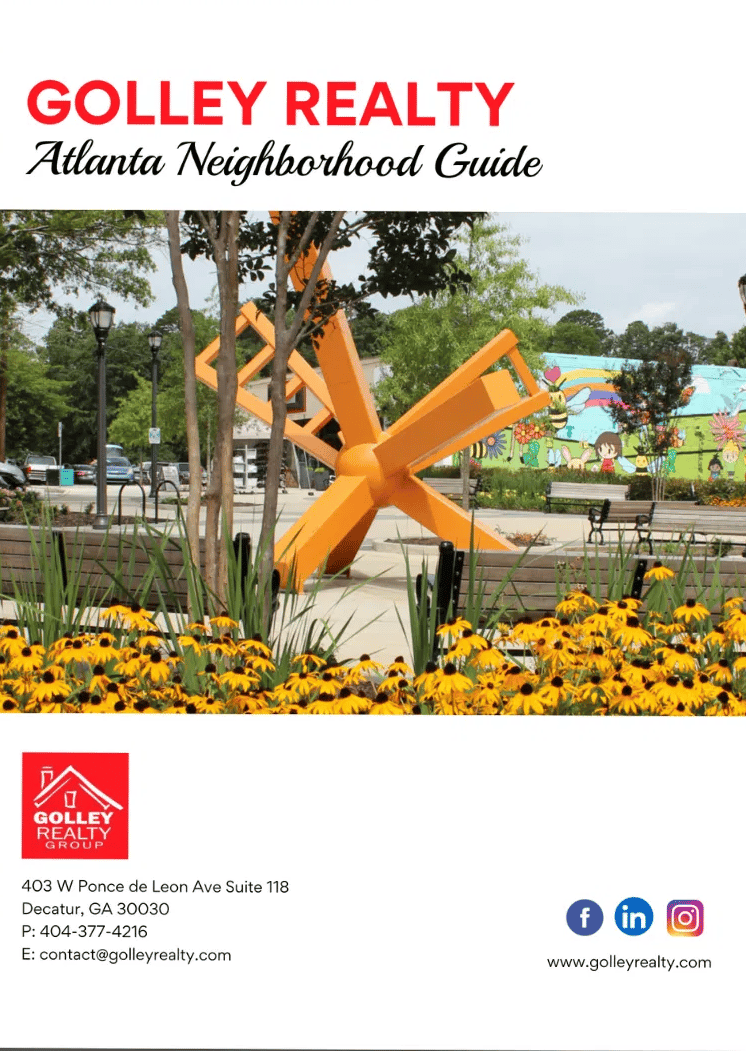
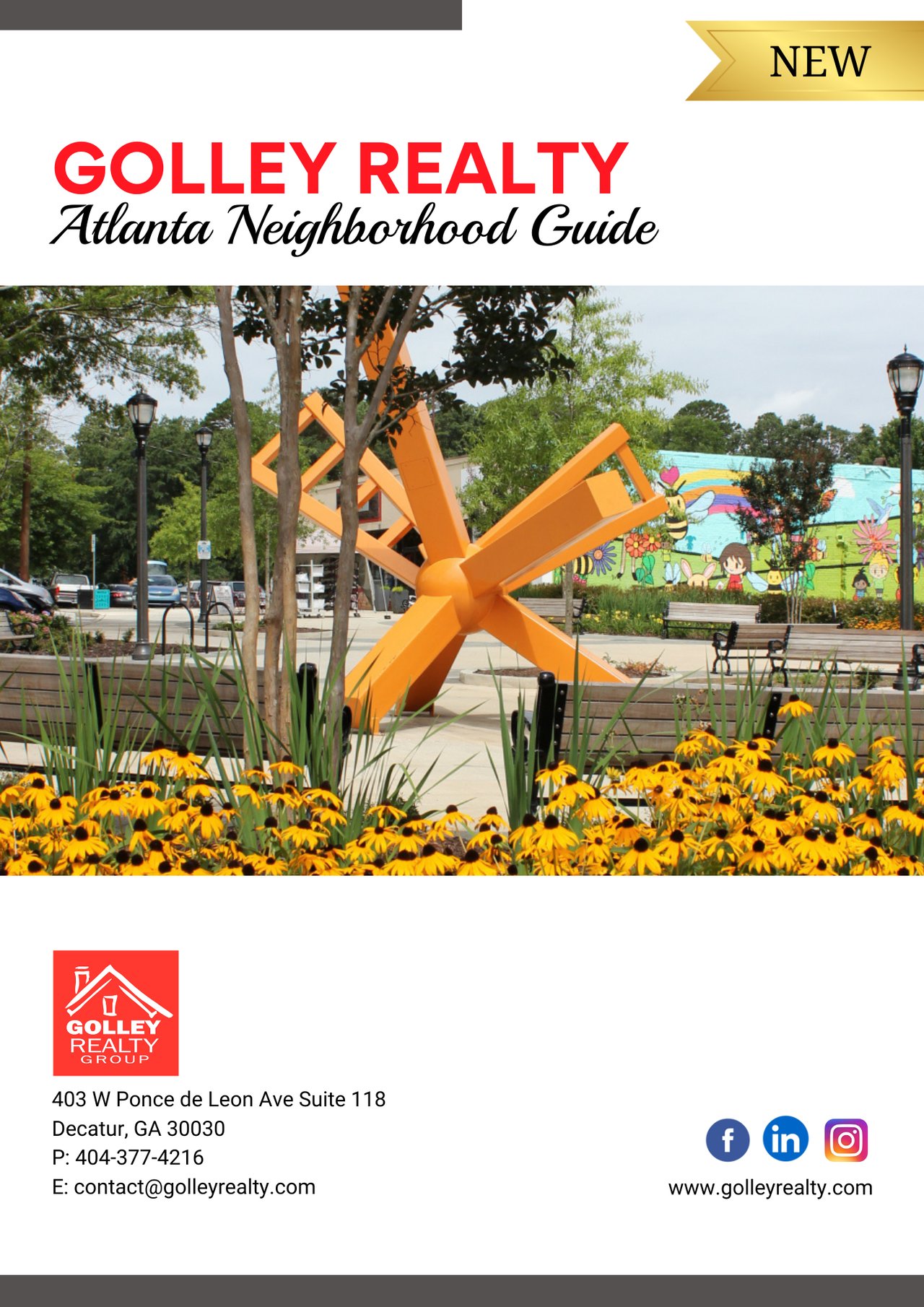
Atlanta Neighborhood Guide

A comprehensive resource featuring detailed profiles of Intown communities such as Decatur, Grant Park, Candler Park, Oakhurst, Druid Hills, Lake Claire, Morningside–Lenox Park, Avondale Estates, Ansley Park, Inman Park, Virginia-Highland, Old Fourth Ward, Kirkwood, Winnona Park, East Atlanta, and more.
main

Introduction

Are you interested in Intown Atlanta for your next home or real estate investment? You aren’t alone! Intown Atlanta has been growing since 2000 with no signs of slowing down. Known by locals as the “City in the Trees,” “Hotlanta,” and the “ATL,” its many communities rank high for families, businesses, retirees and professionals. Atlanta boasts a strong job market, desirable industries, affordable housing, reasonable cost of living, abundant parks and recreation, rich history, international flavor, temperate climate and a vast variety of arts, museums, food, shopping and more.

Ready to start looking for your home? The Golley Realty Atlanta Neighborhood Guide profiles Intown Atlanta communities: including Decatur, Grant Park, Candler Park, Oakhurst, Druid Hills, Lake Claire, Morningside Lenox Park, Avondale Estates, Ansley Park, Inman Park, Grant Park, Poncey-Highland, Virginia Highland, Old Fourth Ward, Kirkwood, Winnona Park, Glennwood Estates, and East Atlanta. Follow our blog for more profiles, we add new ones every month! www.golleyrealty.com/blog

To learn more about Intown Atlanta neighborhoods and to stay up to speed on the Atlanta real estate market, subscribe to our newsletter, This Atlanta House. Considering buying or selling in the Atlanta market? Contact us to get moving!
Decatur

Located about six miles northeast of Atlanta, Decatur is an urban suburb known for its trendy, progressive atmosphere, engaged community and historic roots.

main

Welcome to the city of Decatur. With an unofficial motto, "Everything is Greater in Decatur," the area has a rich liberal arts community, many historic sites, active citizen involvement, pedestrian-friendly development, an abundant tree canopy and an overall high quality of life.

Decatur was founded in 1823 and occupies a four-square-mile area. The city has many smaller neighborhoods, each with its distinct look and feel. Decatur’s development was primarily influenced by the changing transportation modes of the 19th and 20th centuries. First, the railroads, then the trolleys and eventually automobiles influenced the development of commerce, city and home life.

Today, Decatur is home to around 24,928 residents. Residents appreciate the city's variety of homes, historic roots, rich arts and vibrant community events. The Decatur Square draws visitors from around Atlanta to enjoy its unique shops, restaurants, art galleries, live music and museums such as the DeKalb History Center.

main

Housing styles in Decatur range from 100-year-old Victorian mansions and Craftsman bungalows to mid-century ranches, townhomes and newer mid-rise condominium buildings. Home prices range from $300K to more than $1.5M. Redfin is an excellent source for current home price stats.

According to Niche.com, Decatur gets A and B grades in public schools, family resources, jobs, outdoor activities, nightlife, diversity and transportation. It has a C grade in cost of living. Decatur is included in numerous national lists of best suburbs for families and young professionals.

Whether you are new to the area or a long-time resident, the city of Decatur publishes a New Resident Guidebook that is an incredible resource. The guidebook covers the numerous government departments and resources available to residents.

Druid Hills

Druid Hills is known for being home to some of Atlanta's most historic mansions from the late 19th and early 20th centuries.

main

About 4.5 miles northeast of Atlanta, Druid Hills has a unique history as one of Atlanta’s first planned suburbs. While a short distance from Atlanta, Druid Hills’ ample parks, historic homes, and large lots provide a peaceful and beautiful escape from urban life.

Druid Hills was designed by American landscape architect Frederick Law Olmsted, renowned for prestigious projects such as New York’s Central Park, The Biltmore Estate in Asheville, N.C., the gardens around the United States Capital in Washington D.C. and many more. Coca-Cola founder Asa Candler was also instrumental in Druid Hills’ early development. Druid Hills has held a historic designation since 1979. Other historic districts include Emory University, University Park-Emory Highlands-Emory Estates and Emory Grove.

main

Housing styles in Druid Hills include custom mansions built in the late 19th and early 20th centuries, plus mid-century, traditional, and modern homes. Design styles include Georgian, Italian, Renaissance, Jacobean, Tudor and Victorian homes. Noteworthy properties include St. John Chrysostom Melkite Church, the former mansion of Asa G. Candler; Rainbow Terrace, the former home of Lucy Beall Candler Owens Heinz Leide; and Briarcliff, the former home of Asa G. Candler Jr.

Home prices range from $700K to more than $1.7M. Homes in Druid Hills appreciated 66% over the last ten years. Redfin is an excellent source for current home price stats.

According to Niche.com, Druid Hills’ highest scores are in family life, outdoor activities, nightlife, health and fitness and commute times. Druid Hills is next door to Emory University and the Centers for Disease Control and Prevention. Other noteworthy attractions are Olmsted Linear Park, Druid Hills Golf Club, Fernbank Science Center, Callanwolde Fine Arts Center and more. The Druid Hills Civic Association is an excellent source to stay informed.

Lake Claire

Lake Claire is located four miles east of Atlanta in DeKalb County, surrounded by Candler Park, Kirkwood, Decatur and Druid Hills.

main

Lake Claire is known for an eclectic mix of home styles and a community-friendly atmosphere that embraces liberal ideals. Beloved by residents, the area is described as family-oriented and pet-friendly, with great restaurants and shopping, and an idyllic downtown area. Locals call themselves “Lake Clarions.”

Much of Lake Claire was orchards and farmland up until it was sold off in portions starting in the 1930s. As opposed to a large development, homes were built by separate individuals and of varying styles. Lake Claire was also influenced by and shares space with historic Candler Park, which was built in 1922.

Visitors may be surprised to hear this fact: Lake Claire has no lakes. The name has two possible origins. Some claim it is shorthand for two streets: Lakeshore Drive and Claire Drive. Others claim it was taken from the Lake Claire Garden Club, which was founded in the 1930s.

main

Housing styles in Lake Claire are eclectic. Visitors will find 1940s Tudors, 1950s ranches, mid-century and Craftsman bungalows, newer mansions and modern homes mixed on the same block. Home prices range from $700K to $1.5M. Redfin is an excellent source for current home price stats.

According to Niche.com, Lake Claire has top grades in public schools, housing, family, jobs, outdoor activities, crime and safety, nightlife and commute times. Lake Claire’s only C+ grade is for its cost of living.

The Lake Claire Neighbors group is an excellent resource for those interested in this community. The website details the area’s rich history and has an active events calendar. It also provides details on zoning, shopping, public services, schools, places of worship and more.

Candler Park

Candler Park is a quiet, leafy neighborhood located east of Little Five Points and south of Druid Hills.

main

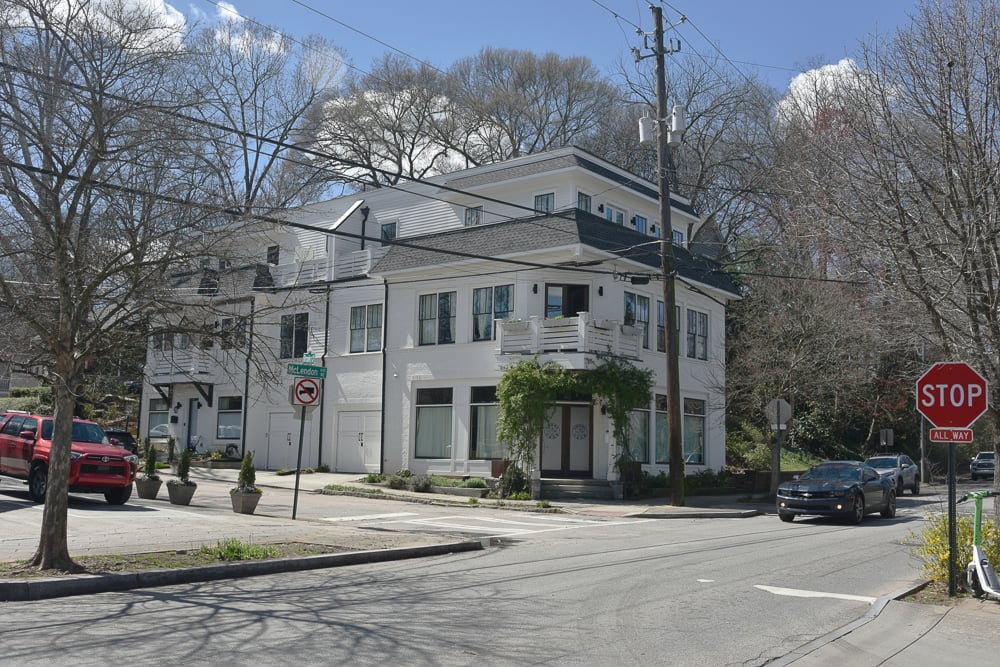
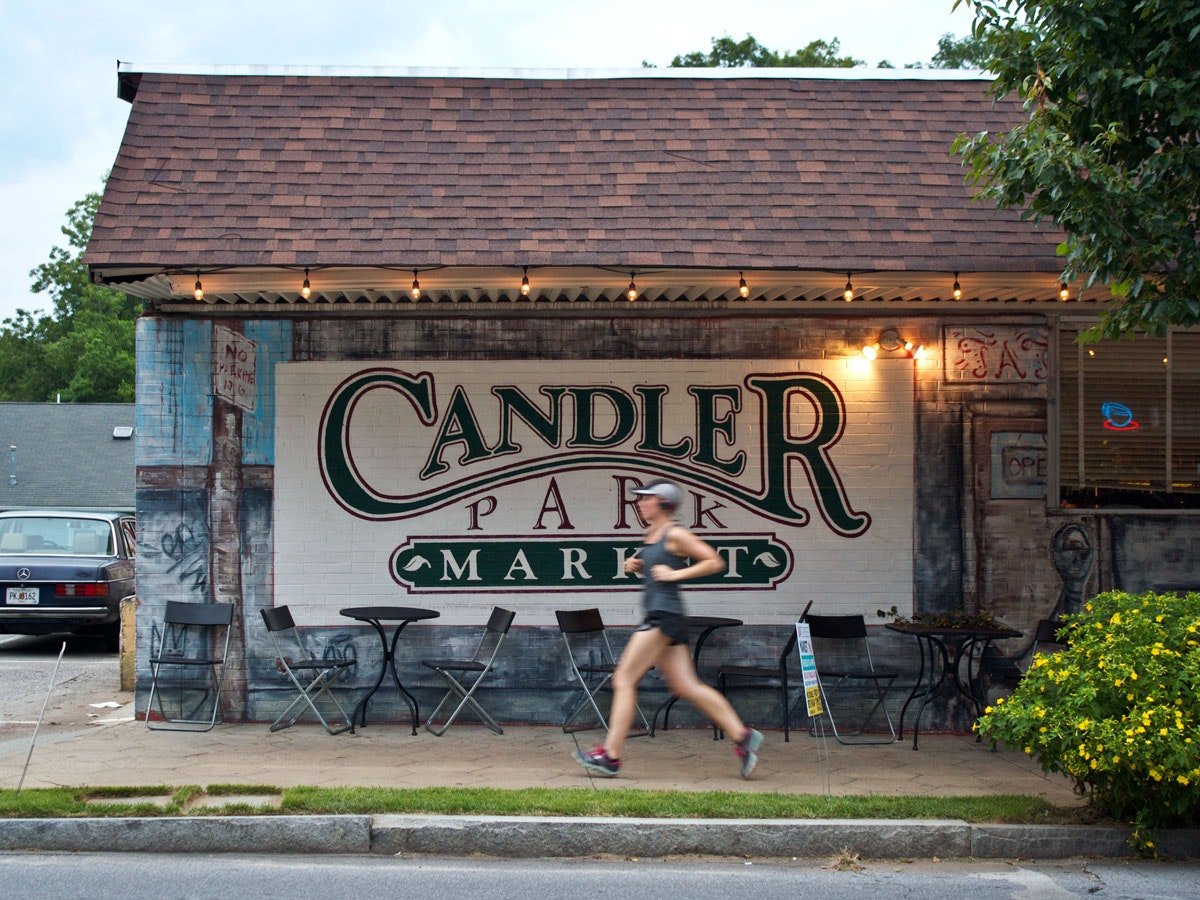
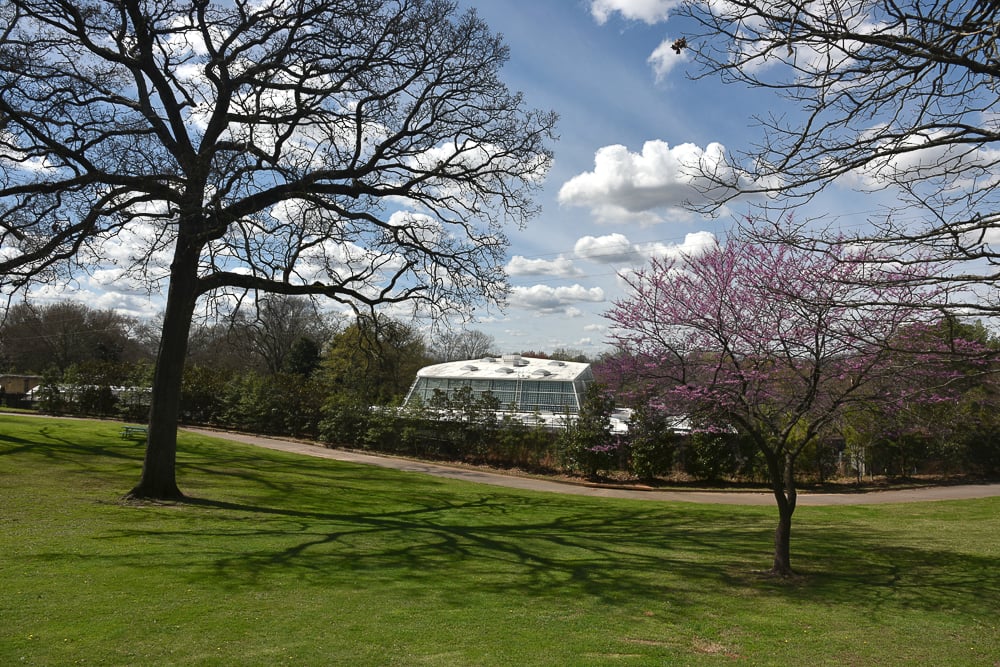
A historic community located 3.5 miles northeast of Atlanta, Candler Park is known for its complex history, its vibrant community and of course its namesake 55-acre park, Candler Park.

Before the park was established in the 1870s, Candler Park was part of a larger town, Edgewood. The area was divided by the Georgia Railroad and serviced by two streetcars along McLendon Avenue and DeKalb Avenue. In 1922, Coca-Cola magnate Asa Griggs Candler, donated 55 acres to the city of Atlanta for Candler Park and the development of the surrounding neighborhood followed.

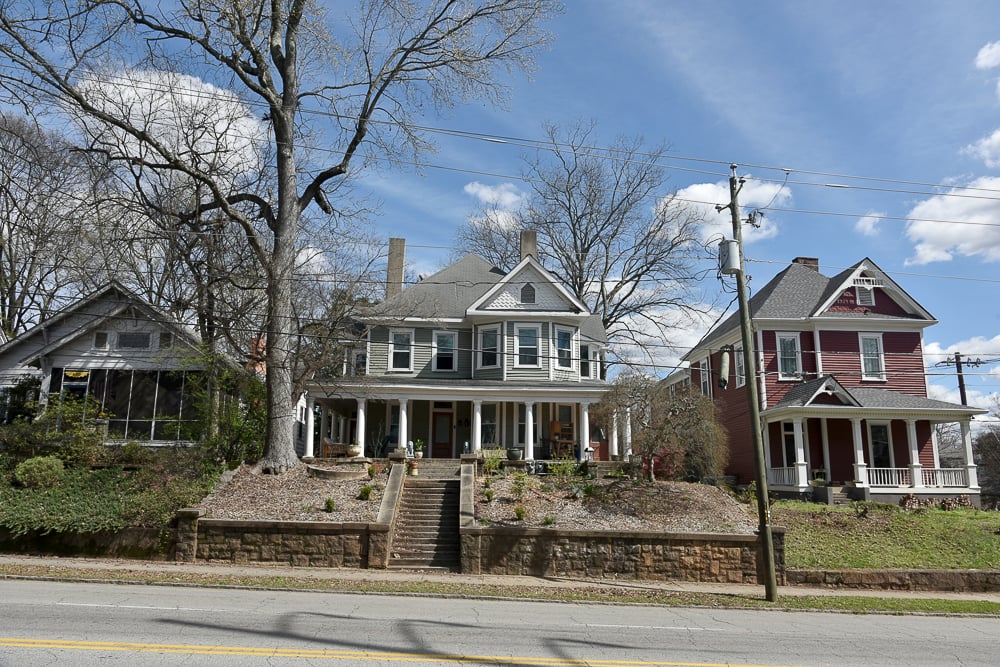
Candler Park visitors can expect to see many homes from the 19th and 20th centuries. The median age of its housing is 1964. Housing styles include Craftsman bungalows, Queen Anne and Folk Victorian, American four-square homes, American small homes from the 1940s and larger, newer homes that were added since the mid-2000s. Home prices range from $650K to more than $1M. Redfin is an excellent source for current home price stats.

main

Candler Park is a National Historic District and ranked on numerous lists for best neighborhoods in Atlanta. According to Niche.com, Candler Park gets top grades in public schools, housing, family life, jobs, outdoor activities, nightlife, health and fitness and commute. It has one C grade in cost of living. Candler Park is dog friendly and has widespread sidewalks and community playgrounds for kids. The area also has walkable access to top restaurants and shopping.

Like many intown Atlanta communities, Candler Park holds festivals and events throughout the year. Residents can stay current on Candler Park life via the Candler Park Neighborhood Association.

Grant Park

Grant Park refers to the oldest city park in Atlanta and the Victorian neighborhood surrounding it.

main

Grant Park is one of Atlanta's oldest historic districts and home to many important Georgia landmarks, including Zoo Atlanta and Oakland Cemetery. Together with Inman Park, Grant Park contains the largest remaining area of Victorian architecture in Atlanta. The community gained historic status in the 1980s. In 2000, it was further designated as Atlanta's largest historic district.

The housing styles in Grant Park are some of the most historic in Atlanta and include Gothic Revival, Italianate, Victorian, Shingle Style, "Richardsonian" Romanesque, American Classical Revival, Tudor Revival, Craftsman, Spanish, Mediterranean, Prairie, Art Deco, Art Modern, Neocolonial, International, Brutalist and more. Home prices in Grant Park range from $450K to more than $1M. Redfin is an excellent source for current home price stats.

Grant Park includes 131 acres of green space and recreational area and is the fourth-largest park in the city behind Chastain Park, Freedom Park and Piedmont Park. Zoo Atlanta, established in 1889 and originally known as the Grant Park Zoo, is located in the park and attracts more than one million visitors annually.

main

Grant Park is pedestrian and dog friendly with abundant retail and dining options, and is listed on multiple “Best Places to Live” lists on Niche.com. It’s a prime location for young professionals, families and retirees who enjoy close proximity to urban amenities while living in a richly historic community.

Also on Niche.com, Grant Park makes top grades in jobs, parks and
recreation, commute times, schools and housing, but C grades in
cost of living and crime and safety. Learn more from the Grant
Park Neighborhood Association.

Morningside Lenox Park

Morningside Lenox Park is a historic neighborhood located in the northeastern part of Atlanta.

main

Located 4.5 miles northeast of Atlanta is the charming community
of Morningside Lenox Park. Founded in 1923, it includes the original
subdivisions of Morningside, Lenox Park, University Park, Noble
Park, Johnson Estates and Hylan Park. Morningside Lenox Park is a
sought-after neighborhood due to its beautiful historic homes, prime
location, top schools and low crime rate. It is surrounded by Ansley
Park, Virginia Highland, Druid Hills and Emory University.

Morningside Lenox Park was home to farms in the 1820s, and the most famous was the Kimballville Farm. The area developed as a commuter town to Atlanta in the 1920s, serviced by various streetcar lines. In 1925, Morningside Lenox Park’s first large development of homes was built in the Mediterranean style. Later styles included Tudor, Craftsman, midcentury, traditional and modern. The Morningside Lenox Park Association maintains a detailed historical timeline here.

main

Morningside Lenox Park's housing styles include Mediterranean, Tudor Revival, Craftsman, midcentury, traditional and modern. Home prices range from $500K to $1.5M. Redfin is an excellent source for current home price stats.

The Morningside Lenox Park Association organizes community events throughout the year and plays a significant role in maintaining the community’s family and pedestrian-friendly character. Highlights include bike-friendly streets, wide sidewalks, landscaping, reduced speed limits, road improvements and more.

According to Niche.com, Morningside Lenox Park has high scores in public schools, family life, outdoor activities, nightlife and commuting time. Residents enjoy multiple city parks such as Piedmont Park, the BeltLine, Lenox Wildwood Park, Noble Park and the Morningside Nature Preserve, a 30-acre park that offers walking trails, a playground, and access to Peachtree Creek.

Oakhurst

Oakhurst is a historic neighborhood in the southwest corner of Decatur, located six miles east of downtown Atlanta.

main

Oakhurst is an eclectic, family-friendly community typical of Intown Atlanta. Incorporated in 1910, Oakhurst developed as a streetcar suburb of Atlanta, served by the Atlanta Consolidated Street Railway. The area had its first surge in the 1910s and 1920s, with development occurring in clusters.

After 2000, the community experienced tremendous growth with an influx of new investments that increased property values substantially. However, the growth also lead to significant gentrification that prompted city efforts to maintain the area’s character and resources for low-income families. In 2017 the city of Decatur launched a Community Transformation Plan for Oakhurst to build community partnerships and support affordable housing.

At the center of Oakhurst is a business district popularly known as "Oakhurst Village," with several eateries, art galleries, and shops. Oakhurst Village is also home to the former Old Scottish Rite Hospital, a historic building designed by local architect Neel Reid in 1917. The building houses an art gallery, a wine bar, and the Solarium, a community center and event facility where local neighborhood groups meet.

main

Home styles in Oakhurst include Craftsman bungalows, Victorian, English cottage, Queen Anne cottage, American small house and newer construction of varying styles. Home values range from $500K to $1.5M. Redfin is an excellent source for current home price stats.

Oakhurst hosts community events throughout the year. Residents can stay current on events via a private Facebook page for the Oakhurst Neighborhood Association, whose motto is “Putting Down Roots Since 1910.” Seasonal events include jazz nights, porch fests, arts festivals, farmer’s markets and more.

Avondale Estates

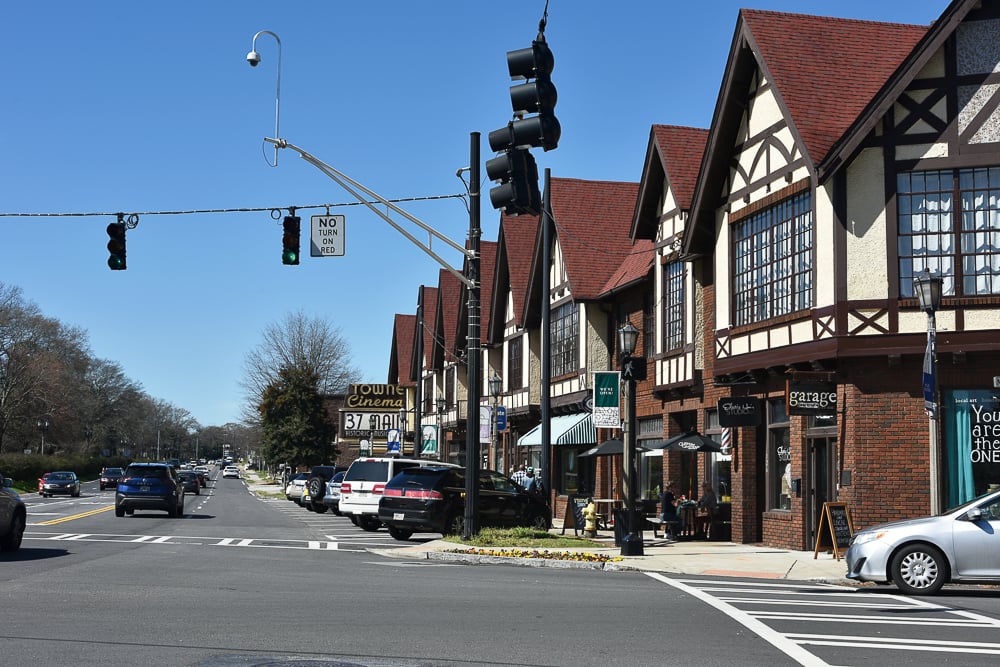
The heart of Avondale Estates is its dramatic, Tudor-inspired main street, which houses numerous restaurants and shops.

main

Nestled in the heart of DeKalb County, Georgia, just east of Decatur and eight miles from downtown Atlanta is the charming community of Avondale Estates. Avondale Estates has a total area of just 1.1 square miles and maintains a small-town feel treasured by residents.

Founded in 1924 by George Francis Willis, Avondale Estates is immediately recognized by its Tudor-Revival-inspired main street. The design was inspired by Willis’ visits to Stratford-upon-Avon, England, the birthplace of William Shakespeare. In addition, Avondale Estates’ design was largely influenced by the garden city movement, resulting in a carefully planned community emphasizing green spaces and architectural harmony.

The homes in Avondale Estates showcase a variety of architectural styles, including Tudor Revival, Craftsman, Colonial, and Mediterranean Revival. Home values range from $400K to $800K. Redfin is an excellent source for current home price stats.

main

Avondale Estates hosts various events and gatherings throughout the year. From neighborhood block parties to the famous Avondale Estates Farmers Market, residents have ample opportunities to connect with their neighbors. Some of the area's schools are rated better than others, so families should explore their options at GreatSchools.org or Niche.com.

Avondale Estates' main street houses numerous restaurants and shops. Art enthusiasts will enjoy its art galleries in the Rail Arts District and Little Tree Art Studios, which also houses a music rehearsal space.

Nature lovers will appreciate its three parks: Willis Park, Avondale Park and Bess Walker Park. Bess Walker Park is also home to the historic special event venue, The Lake House at Avondale Estates. Popular for weddings, reunions, or any special event, the house is a Tudor-style building overlooking Avondale Lake that can accommodate up to 100 guests.

Ansley Park

Ansley Park is a residential neighborhood known for its ritzy and abundant amenities, luxurious homes and historical roots.

main

Established in 1904, Ansley Park was the first Intown Atlanta neighborhood developed for automobiles. Its founders envisioned it as a garden suburb, an oasis in the city. The streets were designed wide, long and winding, with abundant landscaping. Wealthy residents enjoyed proximity to Atlanta, a local private country club, and access to numerous public parks, museums, schools and more.

Visitors to Ansley Park will appreciate its historic housing styles, such as Classic Tudor, Italian Renaissance, Federal and Colonial. The Ansley Park Civic Association maintains a list of historic homes and their architects on its website. Some names include Decatur’s Leila Ross Wilburn, Thornton Marye, Walter Thomas Downing, Ten Eyck Brown and more.

Along with historic homes, Ansley Park includes many modern and traditional homes. Home prices are high in Ansley Park, with singlefamily homes ranging from $1M to $3.8M. There are some luxury townhomes and condos near Piedmont Park that range from $1M to $2.9M.

main

According to Niche.com, Ansley Park gets A and B grades in public schools, family atmosphere, outdoor activities, nightlife, crime and safety, health and fitness, commute times, diversity and jobs. It gets a C grade in cost of living.

Ansley Park is amenity-rich. The community sits directly across from Piedmont Park, the city’s largest public park that houses the Atlanta Botanical Gardens. Residents enjoy access to the Ansley Golf Club, a luxurious private golf, dining and sports club with a second location in Roswell. Smaller parks include Ansley Park, Winn Park and McClatchey Park and the BeltLine, a ring of parks and trails that circles Atlanta.

New residents can learn more about Ansley Park via the Ansley Park Civic Association. The community also maintains an active Facebook Page.

Inman Park

Inman Park is a historic community with ample green space and close access to Atlanta’s most eclectic and vibrant shopping areas.

main

Inman Park is a historic community known for its colorful, ornate homes and proximity to eclectic shopping and dining districts. It was planned in the late 1880s as Atlanta’s first streetcar suburb, and the community was developed with curvilinear streets and park-like landscaping.

Home styles in Inman Park include Queen Anne Victorian, Shingle Style, Colonial Revival, Shotgun, Bungalow, Arts & Crafts, Romanesque Revival, Prairie Style, Arts & Crafts Revival and more. The median home age is 1964. Single-family home prices range from $600K to $2.2M. Townhomes and condos range from $500K to $1.2M.

Inman Park is a fun place to live, with quick access to some of Atlanta’s most eclectic and creative shopping and dining. Nearby Little Five Points is a district described as a melting pot of subcultures and the bohemian center of the Southern United States. Inman Park is also next to Virginia Highland, a historic neighborhood with vibrant shopping and dining and multiple festivals year-round.

main

While lot sizes can be small in Inman Park, residents enjoy large parks with ample green space. The area is near Freedom Park, a 207-acre park that is also home to the Carter Center, and the Atlanta BeltLine, a trail that circles the city.

According to Niche.com, Inman Park receives high grades in housing, family atmosphere, jobs, outdoor activities, nightlife and commute times. Inman Park has a C grade in crime and safety and cost of living, and its public schools are not the best rated. It is common for families in Inman Park to opt for private school options.

To stay current on Inman Park events, residents can join and follow the Inman Park Neighborhood Association.

Poncey-Highland

Located about six miles northeast of Atlanta, Decatur is an urban suburb known for its trendy, progressive atmosphere, engaged community and historic roots.

main

Poncey-Highland is a trendy urban neighborhood east of Atlanta that epitomizes the live/work/play lifestyle. It's known for its large historic properties, parks, art installations, shopping and proximity to downtown Atlanta.

Poncey-Highland gets its name from the intersection of North Highland Avenue and Ponce de Leon Avenue. The area contains a blend of residential and commercial districts that were founded from the 1900s through the late 1930s, as well as an industrial corridor that emerged between the 1920s and 1950s. Poncey- Highlands includes sections of Copenhill, Ponce de Leon Heights, Linwood Park, and an industrial region adjacent to the Southern Railway. Poncey-Highland is also home to the Bonaventure-Somerset Historic District, which earned its designation in 2

Along with modern and contemporary homes and townhomes, Poncey-Highland features many historic housing styles, including Colonial Revival, Mediterranean Revival, Neoclassical Revival, Tudor Revival, Bungalow/Craftsman, American Foursquare, and American small house. The area is home to numerous historic apartment buildings such as Ford Factory Lofts and Telephone Factory Lofts. Single-family homes average $500K to $1.5M while townhomes and condos range from $200K to $1.5M.

main

Niche.com gives Poncey-Highland high grades in multiple quality-oflife categories such as shopping, nightlife, parks and recreation, public transportation and urban living. The neighborhood has C grades in cost of living and housing. While the public schools are well-rated, 70% of families with children send their kids to private schools. The area is surrounded by Freedom Park, a 207-acre park that is also home to the Carter Center and has access to the Atlanta BeltLine.

Residents can join and follow the Poncey-Highland Neighborhood Association to stay current on local events.

Virginia Highland

Virginia Highland is an affluent neighborhood east of Midtown Atlanta known for its historic homes and vibrant retail district

main

Virginia Highland is a charming Intown Atlanta neighborhood known for its abundant Craftsman bungalows, year-round festivals and vibrant retail district.

Named for the intersection of Virginia Avenue and N. Highland Avenue, Virginia Highland took shape as a suburb of Atlanta in the 1880s with the development of the Nine Mile Trolley by The Atlanta Street Railway Company. By the 1890s, housing developments emerged, including Highland Park. The first housing boom lasted between 1909 and 1926, and commercial establishments appeared by the 1930s.

Virginia Highland experienced growth until the 1960s when development pushed into the suburbs. After 2000, its popularity reignited with new investments and interest in historic preservation.

main

Virginia Highland's housing options trend historic. N. Highland Avenue features the Colonnades, a group of garden apartments built in 1916. Another famous property is the Adair Estate, a five-acre enclave of 15 condos dating to 1910. Housing styles include Craftsman, English Vernacular Revival, Colonial Revival, English Cottage and American Foursquare. Single-family homes range from $900K to $2M, townhomes range from $800K to $1.2M, and condos and apartments start at around $330K. Learn more about the area's housing trends on Redfin.

Niche.com gives Virginia Highland high grades in retail, dining, nightlife, parks and recreation, family atmosphere and education. Nearby parks include Piedmont Park, the Atlanta BeltLine, John Howell Memorial Park, Orme Park and North Highland Park.

Residents can stay involved with their community via the Virginia Highland Civic Association, which organizes year-round festivals and events.

Old Fourth Ward

Old Fourth Ward is vibrant urban neighborhood with rich history, known as the birthplace of civil rights leader Dr. Martin Luther King, Jr.

main

Old Fourth Ward is a historic urban neighborhood just east of downtown Atlanta. The area was first settled in the early 1800s and is home to many significant landmarks, such as the Martin Luther King, Jr. National Historic Site, Ebenezer Baptist Church and the Sweet Auburn Historic District. Old Fourth Ward is the birthplace of the famous civil rights leader Dr. Martin Luther King, Jr.

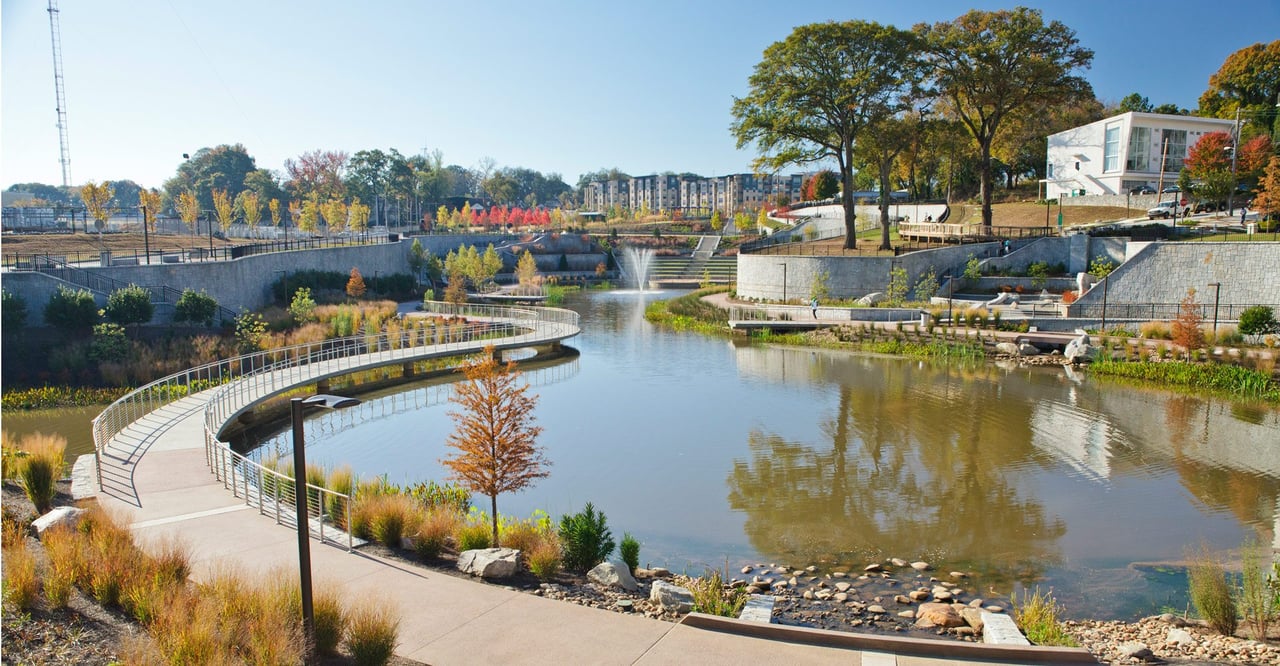
Old Fourth Ward, called O4W by locals, has experienced tremendous growth since the 2010s and most recently with the development of Atlanta’s Beltline. The area also gained more green space and recreational amenities in the spring of 2011 with the dedication of The Historic Fourth Ward Park. This park encompasses 17 acres with a two-acre lake, playground, a state-of-the-art splash pad, an outdoor theater, an athletic field and a world-class skate park.

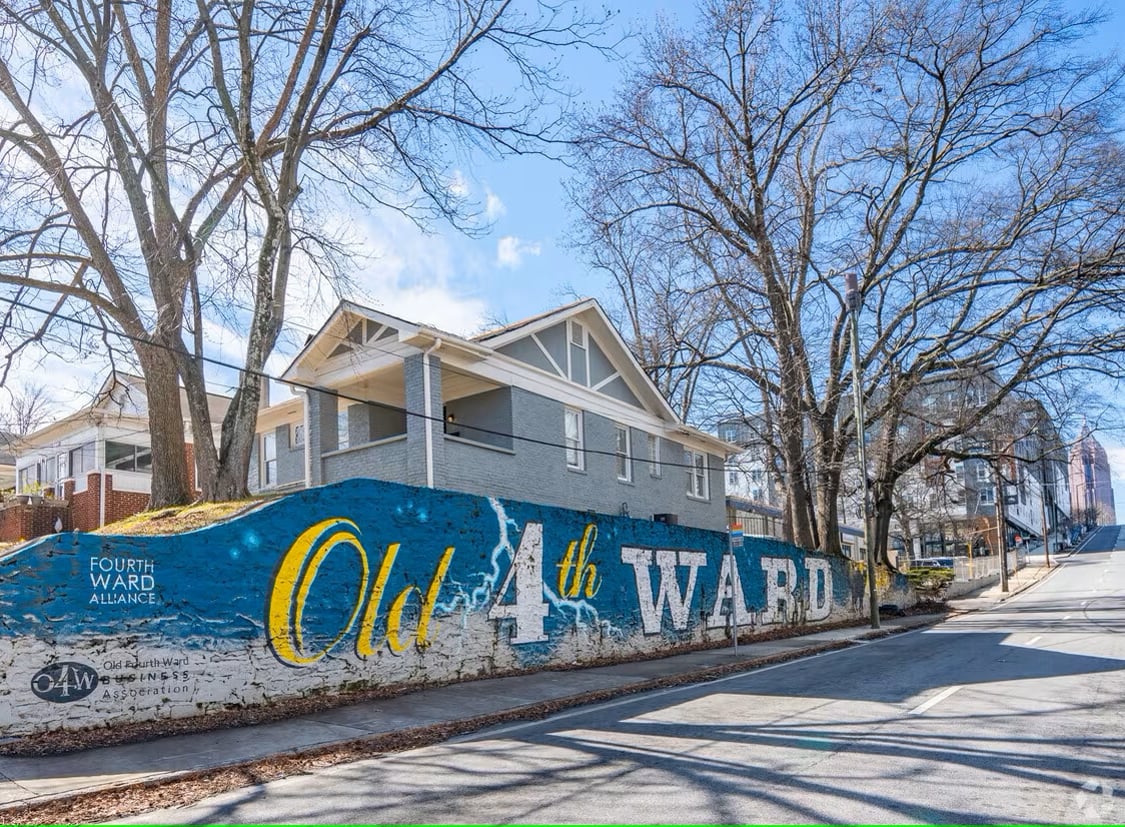
Visitors will soon realize that Old Fourth Ward is one of Atlanta's best neighborhoods for viewing street art. The Outerspace Project is responsible for bringing many works to the Old Fourth Ward with projects on Decatur Street, Edgewood Avenue and around the Eastside Trail of the Atlanta Beltline. Better yet, check out Atlanta Street Art Map for a complete list of projects.

main

Old Fourth Ward offers some historic homes, but predominantly newer apartments, townhome buildings and modern or contemporary single-family homes. Single-family homes can range from $1 million to $3 million, townhomes range from $600K to $1.5M, and condos and apartments start at around $250K. Residents will also find ample rental properties available for different budgets.

Old Fourth Ward ranks high on many lists of best places for young professionals. Niche.com gives Old Fourth Ward high grades in multiple quality-of-life categories such as shopping, dining, nightlife, parks and recreation, public transportation and urban living. The neighborhood has C grades in cost of living, housing, crime, and safety.

Residents can stay involved with their community via multiple associations that serve the Old Fourth Ward. They include Fourth Ward West, Fourth Ward Alliance, Fourth & S.A.N.D., Fourth Ward Neighbors, and Friends of Fourth Ward.

Kirkwood

Kirkwood is a colorful and historic neighborhood on the east side of Atlanta in DeKalb County.

main

Kirkwood has blossomed with beautification, preservation and development efforts that gained steam in the 2000s. Residents value the area's affordability, charming downtown, creative murals, serene parks, and proximity to Atlanta.

Incorporated in 1899, Kirkwood was a streetcar suburb of Atlanta until the city annexed it in 1922. The area experienced waves of growth and decline until serious revitalization efforts in the 2000s led by the Kirkwood Neighbors Organization (KNO) and the Kirkwood Business Owners' Association (KBOA). In 2009, Kirkwood was added to the National Register of Historic Places.

With more than 1,788 contributing properties, the Kirkwood Historic District is the largest of its kind in Georgia. Residents enjoy a large stock of Victorian and Craftsman homes, plus many repurposed commercial buildings. Architect Frank Ruggles designed Craftsman homes along Warlick Avenue and Howard Street NE. Kirkwood Lofts was originally Kirkwood School, built in 1910 by John Francis Downing. The redevelopment of historic Pullman Yard in 2017 as an entertainment venue brought properties such as Pullman Flats and Arizona Lofts.


main

Along with its historic homes, Kirkwood offers many newer properties in traditional and modern styles. Single-family homes range from $450K to $1.6M, townhomes range from $440K to $850K, and condos range from $265K to $550K.

According to Niche.com, Kirkwood scores high in quality-of-life factors such as the local job market, housing, outdoor activities, shopping and dining, nightlife, commute times and diversity. The area has C scores in school systems, cost of living, and crime and safety.

Families and nature lovers will enjoy Kirkwood's many parks and
recreation facilities such as Coan Park, Bessie Branham Recreation
Center and Kirkwood Dog Park. Kirkwood is surrounded by some of
Atlanta's best parks, including Grant Park, Candler Park and Freedom
Park.

The KNO is an excellent resource for newcomers and residents. The group organizes community events and works closely with local governments on community development projects, zoning decisions, and crime and safety initiatives.

Winnona Park

Winnona Park is a charming historic neighborhood in the southeast corner of Decatur, Georgia.

main

Winnona Park is a family-friendly neighborhood in the southeast corner of Decatur, Georgia. It consists primarily of residences surrounding Winnona Park Elementary School, built in 1923. The area is also home to the Columbia Theological Seminary and adjacent to Agnes Scott College.

Winnona Park is named for the Winn family, which came to DeKalb County in the early 1800s. James J. Winn was a clergyman and a surgeon. His son-in-law, George Bucher Scott, first began the development of Winnona Park in the early 1900s. Scott was a member of the Scott family that founded Agnes Scott College and Scottdale Mills.

Housing styles in Winnona Park trend historic with many built in the 1950s or earlier, although there was a surge of new construction in the 2010s. Winnona Park is listed on the National Register of Historic Places for its late 19th- and early 20th-century American Movement buildings. Styles include Craftsman bungalows, Georgian Revival and English Country. Prominent architect Leila Ross Wilburn designed homes on Avery Street. Other notable residences include the Agnes Lee Chapter House and the Avary-Fulton House, reportedly the oldest home in Decatur.

main

Single-family homes in Winnona Park range from $700K to $1.6M or more, while townhomes and condos range from $500K to $975K. Residents enjoy access to numerous nearby parks, such as Dearborn Park, a seven-acre property with recreational sports fields, a playground, a trail, and picnic areas.

According to Niche.com, Winnona Park scores high on many qualityof- life factors, including public schools, family-friendly atmosphere, jobs, outdoor activities, health and fitness amenities, diversity, nightlife, commute times and more.

The Winnona Park Neighborhood Association is an excellent resource for newcomers and residents. WPNA also maintains a detailed history of the community.

Glennwood Estates

Glennwood Estates is a charming residential neighborhood in northeast Decatur, in the 30030 zip code.

main

Glennwood Estates is a quiet, tree-lined neighborhood featuring historic homes, 67 acres of parks and green space, top schools and close proximity to downtown Decatur.

Established in 1927, Glennwood Estates was named for J.T. Glenn who purchased the property in 1869. Residential development began in the late 1920s around Glendale Avenue, Mount Vernon Drive and Glenn Circle. The prevailing house styles were American Small houses and English cottages. Today, the area is considered a prime example of English Vernacular Revival architecture.

While some newer homes are available, 78 percent of homes in Glennwood Estates are historic properties built between the 1920s and 1940s. Of course, many properties have been expanded and renovated, and there are clusters of traditional and modern townhomes around the neighborhood’s perimeter.

main

Residents enjoy access to two parks, the historic Decatur Cemetery and Glenlake Park. Glennwood Estates has an interior entrance to Glenlake Park, which features a swimming pool, tennis courts, a dog park, walking trails, sports fields, playgrounds and pavilions across 17 acres.

Prices for single-family homes in Glennwood Estates range from $600K to $1.7M. Townhomes range from $430K to $964K, and condominiums start at $255K. Residents enjoy close access to Decatur’s ample shopping, dining and cultural attractions, plus toprated schools: Glennwood Elementary, Tally Street Upper Elementary, Renfroe Middle School and Decatur High School.

The Glennwood Estates Neighborhood Association is an excellent resource for newcomers and residents. The group organizes multiple community events for holidays and seasonal celebrations, publishes a quarterly newsletter and maintains a directory of residents.

East Atlanta

East Atlanta is a historic neighborhood with a trendy commercial district and active community.

main

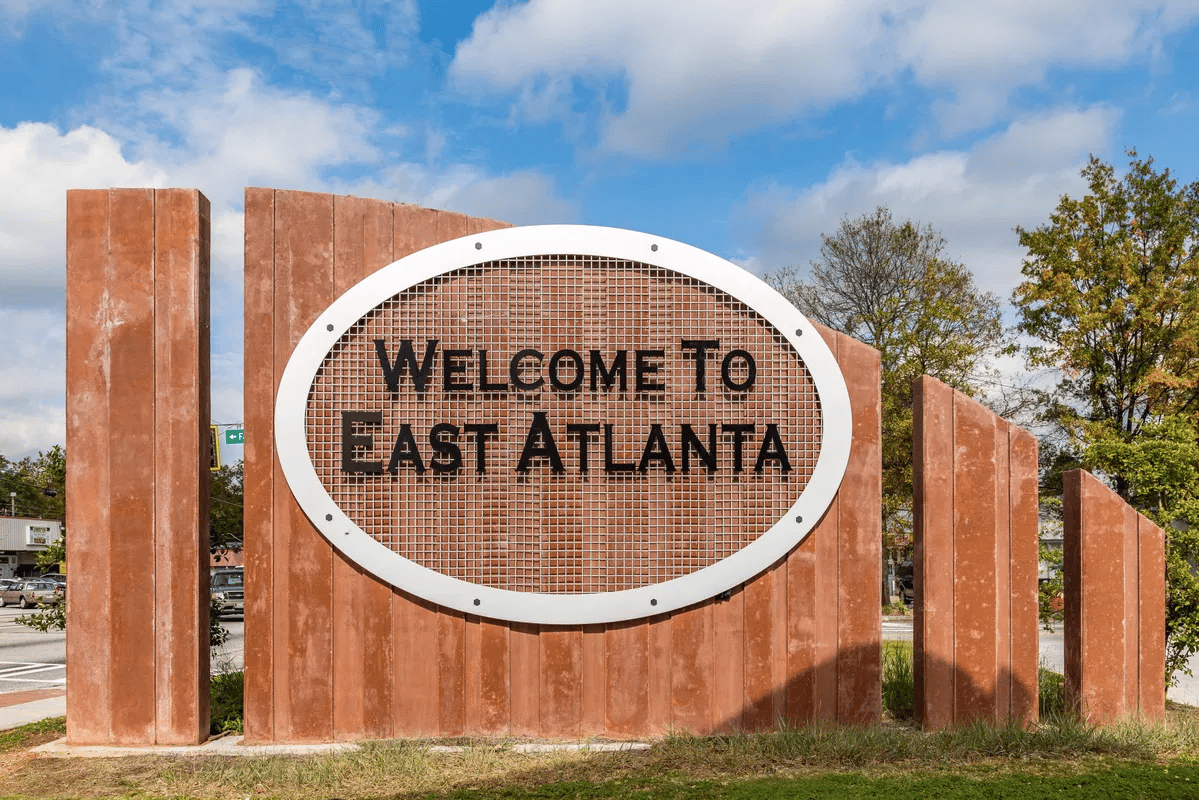
East Atlanta is a historic neighborhood east of Grant Park and south of I-20. It is listed on the National Register for Historic Places and anchored by its bustling commercial district, East Atlanta Village.

East Atlanta was developed by farmers and settlers in the mid-1800s and was strategically significant during the Civil War. The Battle of Atlanta started in East Atlanta on July 22, 1864, near Clay Street and Memorial Drive. Visitors will find numerous historical markers, including the McPherson Monument, a Union canon located at the intersection of McPherson Avenue and Monument Avenue.

Development in East Atlanta boomed with the city’s growth during the mid-20th century but experienced a downturn in the 1970s. Development surged again in the 21st century with public enhancements, new construction and businesses, and in 2017 the neighborhood was added to the National Register of Historic Places.

main

Housing styles in East Atlanta include historic Craftsman bungalows, Victorian houses, post-war ranch homes, and newer modern and traditional styles. One notable historic home is the Zuber-Jarrell House, a prime example of Neo-Classical Revival built in 1906, which has received multiple awards, such as the “Excellence in Rehabilitation Award” from the Georgia Trust for Historic Preservation.

Due to its historic roots and proximity to Atlanta, home prices in East Atlanta can be high. Single-family homes range from $320K to $975K, while townhomes and condos range from $250K to $730K. Residents enjoy access to numerous nearby parks, such as DeKalb Memorial Park, Walker Park, and Brownwood Park, the headquarters for the East Atlanta Kids Club.

According to Niche.com, East Atlanta scores high on many quality-oflife factors, including public schools, a family-friendly atmosphere, jobs, outdoor activities, health and fitness amenities, diversity, nightlife, commute times and more. It has a C+ score in cost of living.

Follow Us On Instagram