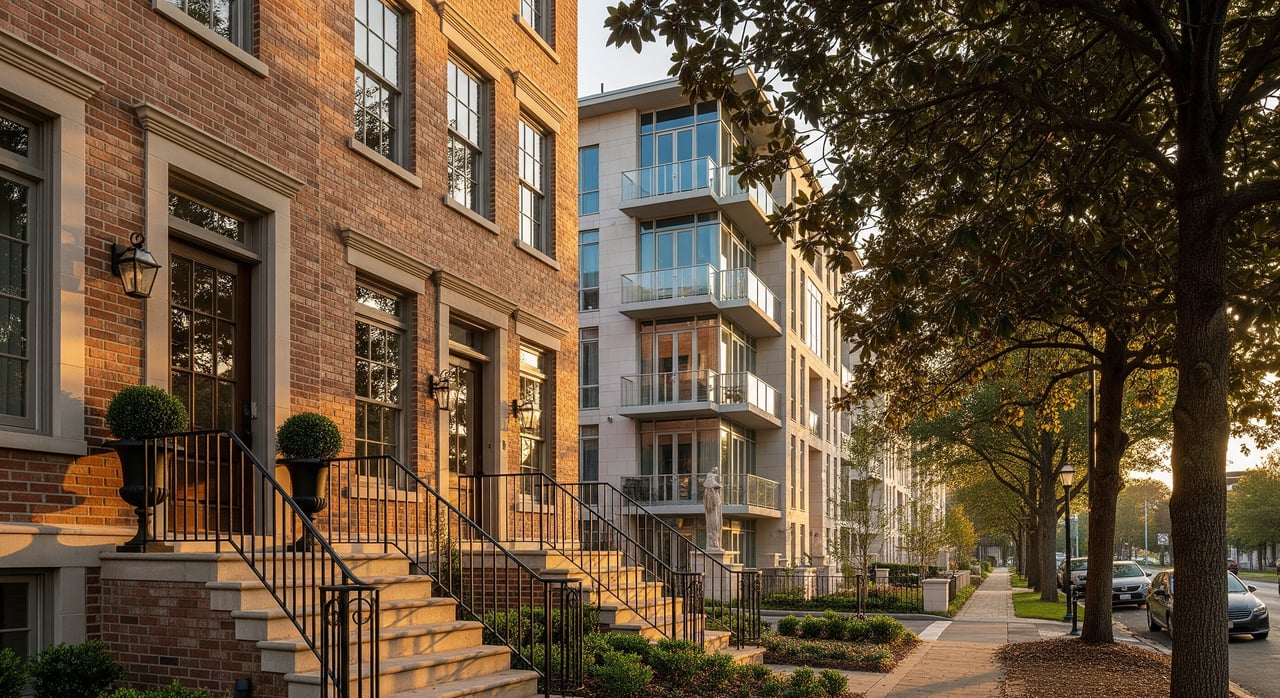
Trying to choose between a townhome and a condo in 30316? You’re not alone. East Atlanta and Ormewood Park offer both options, and each brings a different mix of costs, responsibilities, and resale dynamics. In this guide, you’ll learn how to compare monthly budgets, HOA rules, maintenance needs, layouts, parking, and what tends to sell faster in this zip code. Let’s dive in.
30316 at a glance: townhomes vs. condos
30316 includes East Atlanta Village, Ormewood Park, and nearby pockets that blend older bungalows with newer infill. Over the last decade, infill townhome projects have expanded across east Atlanta corridors. Condos are often found in mid-rise conversions or established complexes.
Who tends to pick what? Smaller-footprint condos often attract singles, couples, and some investors who want a simpler lifestyle and building amenities. Townhomes appeal if you want more space, a layout that feels closer to a single-family home, and often a private entrance or garage.
What drives your monthly cost
Getting to a realistic monthly number means looking beyond list price. Break costs into mortgage, taxes, insurance, HOA dues, utilities, and maintenance.
Purchase price and financing
For the clearest picture, compare median sale price and price per square foot for condos and townhomes over the last 12 and 36 months in 30316. Ask your agent for a CMA filtered by property type. Then apply your loan terms to estimate monthly principal and interest. A side-by-side comparison will help you see how much home you can afford in each category.
Property taxes in DeKalb
Property taxes are based on assessed value and the local millage rate. Calculate annual tax as assessed value multiplied by the millage rate, then divide by 12 for the monthly portion. Make sure you factor in any homestead exemptions you qualify for and note assessment timing. Condos and townhomes can be assessed differently because of how land is allocated.
Insurance: HO-6 vs. HO-3
Most condo owners carry an HO-6 policy that covers interior finishes and personal property, while the building’s master policy covers the structure and common areas. Townhome owners often need broader coverage that may include the exterior and roof, depending on the association’s rules. Review the CC&Rs to confirm where your responsibility starts and ends, then get quotes that fit those boundaries.
HOA fees and what they include
Compare median HOA dues for each property type and review what fees cover. Common inclusions for condos may be building insurance, exterior maintenance, reserves, trash, water and sewer, and amenities like a pool or gym. Townhome dues vary widely. Some cover exterior and landscaping. Others focus on shared areas with owners responsible for exterior upkeep. Always ask for the last 3 to 5 years of dues history and any special assessments.
Utilities and maintenance budgeting
Many condo HOAs include water, trash, and some common utilities, which can lower your personal utility bills. Townhome owners typically pay for more utilities directly and may also plan for exterior upkeep. As a simple rule of thumb, owners of townhomes that handle their own exterior should budget 1 to 3 percent of the home’s value per year for maintenance. Adjust up or down based on the age of the building and what your HOA covers.
Quick cost checklist
- Estimate mortgage, taxes, and insurance for both options.
- Confirm HOA dues and exactly what they include.
- Ask for reserve studies, financials, and assessment history.
- Verify which utilities you will pay directly.
- Add a maintenance reserve, especially for townhomes with exterior responsibility.
HOA structure, governance, and buyer risk
Your HOA’s health can affect your wallet and your resale. Dig into the documents before you fall in love with a unit.
What to review in the documents
- Unit boundary definitions. Confirm who covers exterior, roof, and major systems.
- Master insurance policy type. Know if it is bare walls or all-in and how deductibles work.
- Reserve studies and funding level. A reserve that is near recommended levels signals better long-term planning.
- Special assessments and litigation. Note size, cause, and frequency of assessments and any ongoing lawsuits.
- Rental caps and investor limits. These rules shape the buyer pool and lending options.
- Parking, pet, and leasing rules. Make sure they match your lifestyle and future plans.
Red flags to watch for
- Weak reserves paired with aging roofs or building envelope issues.
- Repeated special assessments within a short period.
- Ambiguous boundary definitions that leave gaps in responsibility.
- Parking shortages in older condo complexes where assigned and guest parking are limited.
- High investor concentration that may reduce owner-occupant appeal.
Why rental caps matter
Rental caps affect both lending and resale demand. A building with strict caps may protect owner-occupant value but limit investor interest. A building with a high percentage of rentals can face lending hurdles and slower appreciation. Match the rules to your goals and exit plan.
Layouts, parking, and lifestyle fit
The physical experience of living in a condo or townhome differs in ways that matter daily and at resale.
Space and stairs
Condos often offer one-floor living, which can appeal to buyers who avoid stairs. Townhomes commonly have 2 to 3 levels and internal stairs, which many buyers accept in exchange for more space and a home-like feel. If accessibility is a concern for you or future buyers, weigh this carefully.
Parking realities
Townhomes are more likely to include a private garage or driveway. Condos use assigned parking in a lot or garage and may have limited guest spaces. In 30316, some older condo communities have tighter parking arrangements. Verify the number of assigned spaces, where guests can park, and any restrictions that could affect daily life.
Noise, privacy, and amenities
Condos stack neighbors above and below, which can increase noise sensitivity. Townhomes share walls but often feel more private due to separate entries and outdoor space. Condos may offer amenities like secure entries, a pool, or a gym, which can support pricing but also raise dues. Townhome communities often keep dues lower by limiting shared amenities.
Resale patterns to track in 30316
To judge future resale, compare performance by property type using local data. Ask for a CMA split between condos and townhomes for the last 12 and 36 months. Focus on these metrics:
- Median sale price and price per square foot.
- Median days on market and sale-to-list price ratio.
- Months of inventory and the flow of new listings versus closed sales.
- The frequency and size of price reductions.
- The share of cash or investor purchases, if available.
How to interpret it:
- If condos show shorter days on market and higher sale-to-list ratios, demand is strong for those units. If townhomes show faster appreciation and tighter inventory, competition may be stronger for more space.
- If a condo building’s HOA fees rise while reserves remain weak, resale risk increases. Buyers may be wary of future assessments.
- Watch for a split between price per square foot and median prices. If condos flatten on a per-square-foot basis while townhomes rise, the market may be tilting toward larger spaces.
Decision framework: which fits you best
Use these questions to match the property type to your budget and goals.
- Budget: What is my total monthly limit including mortgage, taxes, insurance, HOA dues, utilities, and maintenance?
- Dues tolerance: Can I handle HOA fee increases or special assessments if they appear?
- Lifestyle: Do I want a private entrance, garage, and outdoor space (townhome), or a simpler footprint with building amenities (condo)?
- Stairs: Are stairs a concern for me or future buyers I hope to attract?
- Maintenance: Do I prefer outsourcing exterior upkeep (condo) or owning more of it (townhome)?
- Resale: Which type sells faster and closer to list in 30316 right now? Check 12 and 36 months of data.
- Buyer pool: When I resell, will I market to investors, first-time buyers, families, or downsizers? Choose the property type that aligns with that pool.
- Risk: What do the HOA reserve studies, assessment history, and litigation records show?
Buyer checklist for touring 30316 condos and townhomes
Bring this list to showings and when you review documents.
- HOA fees today and over the past 3 to 5 years.
- Reserve study date, funding level, and planned projects.
- Special assessments in the last 5 years and reasons why.
- Master insurance policy type and deductible structure.
- Unit boundary definitions for exterior, roof, and major systems.
- Utilities included in dues vs. billed separately.
- Parking: assigned spaces, guest parking rules, and EV charging options if relevant.
- Rental caps, waitlist details, and investor ratio.
- Any pending litigation or known building envelope issues.
- Noise, privacy, and stair access considerations.
- For townhomes, expected exterior maintenance responsibilities and roof age.
How our team helps you compare
You deserve a clear, side-by-side view before you choose. Our team will pull a 12- and 36-month CMA for 30316 by property type, review HOA financials and reserve studies, and help you estimate true monthly costs. If you are investing, our affiliated property management division can advise on rental rules and expected operating costs so you can plan with confidence.
When you are ready, reach out for a local, practical discussion about your options. Start with a conversation with Frank Golley and get a plan that fits your goals in East Atlanta and Ormewood.
FAQs
Which usually costs less per month in 30316, a condo or a townhome?
- It depends on the mix of HOA dues, insurance, taxes, and maintenance; condos often have lower personal insurance but higher dues, while townhomes may have higher insurance and more exterior costs, so compare 12- and 36-month comps to see which fits your budget.
Do condos or townhomes sell faster in 30316?
- Pull days on market and sale-to-list ratio by property type; shorter days on market and higher sale-to-list indicate stronger demand, and trends can vary by building or development.
Are HOA fees worth it in condos?
- They can be if they include valuable services like building insurance, exterior maintenance, water and trash, and healthy reserve contributions; weak reserves or frequent assessments are a red flag.
What insurance do I need for a condo versus a townhome?
- Condos typically need an HO-6 interior policy aligned with the building’s master policy, while many townhomes require broader coverage that can include the exterior and roof as defined by the CC&Rs.
Is parking a common issue in 30316 condos?
- Some older condo communities have limited assigned or guest parking, so confirm your assigned spaces, guest rules, and any restrictions before you buy.
