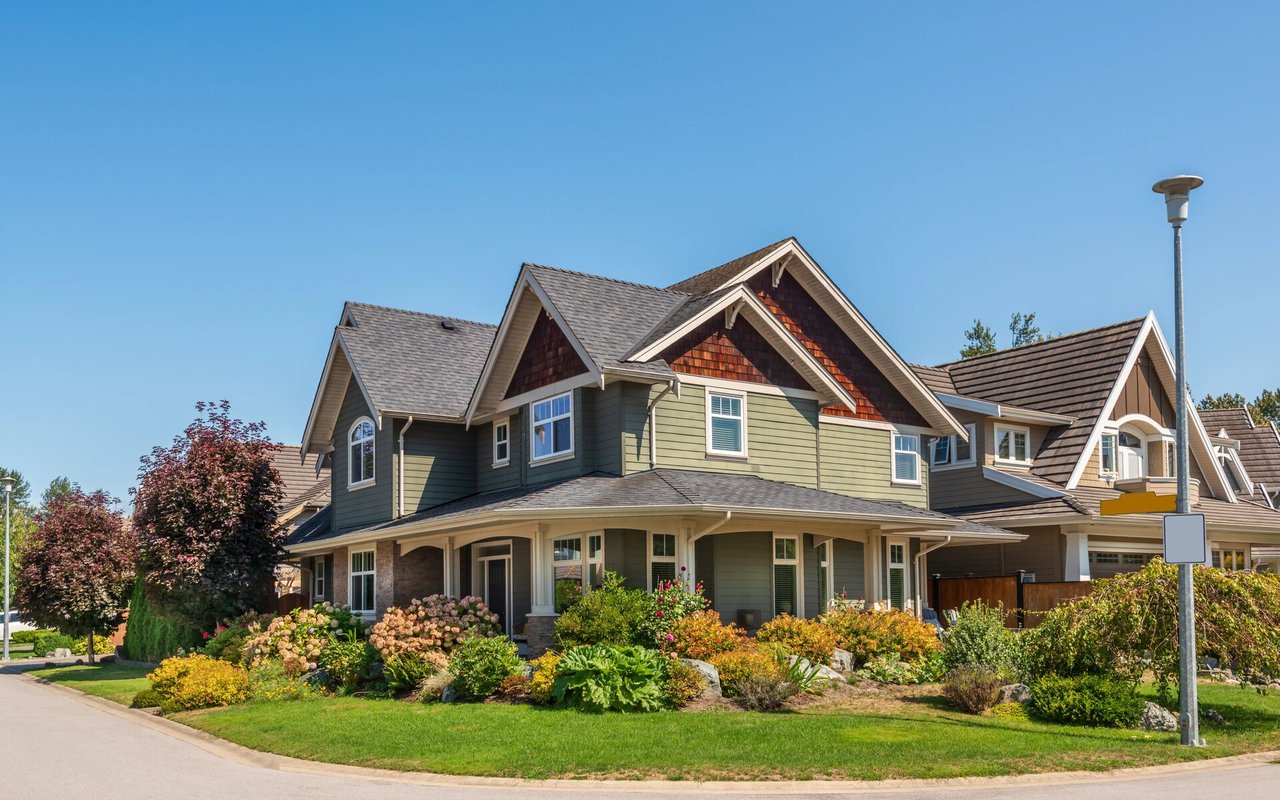
Druid Hills Homes for Sale in Atlanta, Georgia
Discover Druid Hills, where historic homes, winding streets, and Olmsted-designed parks meet museums, neighborhood dining, and the cultural offerings of nearby Emory University.
Druid Hills is known for its historic architecture, mature tree canopy, and thoughtfully designed green spaces. Northeast of downtown Atlanta, the neighborhood brings together stately residences, winding streets, and cultural destinations that invite exploration.
Its landscape is an essential part of its character. Homes sit among established gardens and wooded surroundings, while parks and nearby gathering places connect residents to the outdoors and the wider community.
Druid Hills began as an ambitious planned residential community developed by Atlanta businessman Joel Hurt. As the National Park Service explains, Hurt enlisted landscape architect Frederick Law Olmsted to create a plan that worked with the land’s natural contours.
Olmsted’s vision emphasized gently curving roads, connected landscapes, and public green spaces. After his retirement, the Olmsted Brothers continued the work, helping shape a neighborhood whose landscape remains recognizable today. Coca-Cola businessman Asa Griggs Candler was also involved in its early development.
The Druid Hills Historic District is listed on the National Register of Historic Places, recognizing the significance of its architecture and community planning. Its history remains visible in both the buildings and the spaces between them.
Druid Hills’ housing extends beyond its well-known mansions. The county’s historic district design manual describes a collection ranging from architect-designed residences to more modest houses built during the early and middle decades of the 20th century.
Traditional brick homes, bungalows, cottages, and larger estates contribute to that variety. Renovated interiors and later construction provide additional choices for buyers seeking different layouts, sizes, and maintenance needs.
When exploring properties, consider the home’s condition, renovation history, landscaping, and outdoor space. For homes within a local historic district, exterior changes may require review. The Druid Hills Civic Association’s homeowner resources provide a starting point for understanding preservation guidance and identifying the appropriate local requirements.
Druid Hills offers opportunities to experience art in distinctive settings. Callanwolde Fine Arts Center combines a historic estate with arts education, concerts, and community programming. Its classes span disciplines such as pottery, painting, dance, and creative writing.
On Emory University’s campus, the Michael C. Carlos Museum presents art and cultural collections from around the world, along with exhibitions and educational programs.
For a meal or everyday errands, Emory Village brings together restaurants, shops, and services near the university entrance. Its mix of businesses offers a convenient place to meet friends or stop between neighborhood outings.
Olmsted Linear Park is one of Druid Hills’ defining features. Its six park segments follow Ponce de Leon Avenue, offering walking paths, open lawns, and shaded landscapes. Deepdene, the largest segment, provides a more wooded setting with a stream and varied terrain.
Nature and learning also come together at Fernbank Museum’s WildWoods and Fernbank Forest, where outdoor experiences complement the museum’s exhibits. The separate Fernbank Science Center planetarium offers another way to explore science through astronomy programs.
Residents can stay involved through the Druid Hills Civic Association, which shares neighborhood news, organizes community events, and advocates for historic preservation and green spaces. Volunteer opportunities and local gatherings offer ways to connect with neighbors and contribute to the community.
Home prices in Druid Hills vary considerably by location, property size, condition, and architectural character. A smaller historic home, a renovated residence, and an expansive estate can represent very different budgets. Lot size and the scope of past renovations also matter when comparing properties.
For a current overview, Redfin’s Druid Hills housing report tracks median sale prices and market activity within its defined area. That midpoint provides context, but recent sales of similar homes offer more useful guidance for a specific property.
Golley Realty can help buyers compare available options and help sellers evaluate pricing based on their home’s features, condition, and location.
8,278 people live in Druid Hills, where the median age is 37.9 and the average individual income is $95,559. Data provided by the U.S. Census Bureau.
Total Population
Median Age
Population Density
Average individual Income
There's plenty to do around Druid Hills, including shopping, dining, nightlife, parks, and more. Data provided by Walk Score and Yelp.
Explore popular things to do in the area, including Infinite Healing - A Holistic Mobile Spa.
Druid Hills has 3,579 households, with an average household size of 2.26. Data provided by the U.S. Census Bureau. Here’s what the people living in Druid Hills do for work — and how long it takes them to get there. Data provided by the U.S. Census Bureau. 8,278 people call Druid Hills home. The population density is 2,783 and the largest age group is Data provided by the U.S. Census Bureau.
Total Population
Population Density Population Density This is the number of people per square mile in a neighborhood.
Median Age
Men vs Women
Population by Age Group
0-9 Years
10-17 Years
18-24 Years
25-64 Years
65-74 Years
75+ Years
Education Level
Total Households
Average Household Size
Average individual Income
Households with Children
With Children:
Without Children:
Blue vs White Collar Workers
Blue Collar:
White Collar:
Explore Other Neighborhoods

ADDRESS 403 W Ponce de Leon Ave #118 Decatur GA 30030
ADDRESS 403 W Ponce de Leon Ave #118 Decatur GA 30030
